Intro
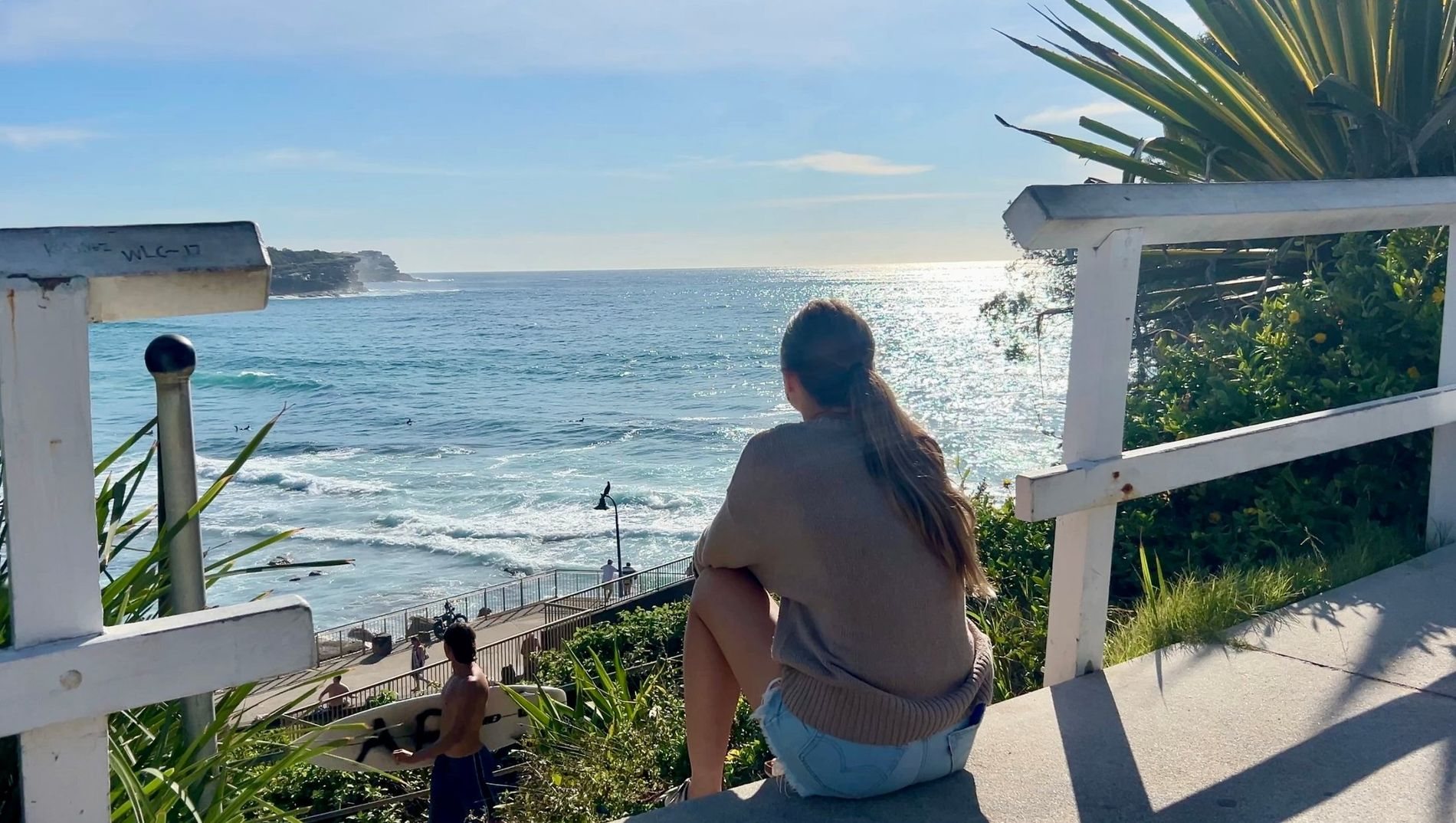
There’s a particular kind of loneliness that comes when your sense of belonging is taken away. It is unexpected, impossible to prepare for and a struggle to accept. In a new city, around new people, a new era for me, I thought I would find my people immediately, but it didn’t turn out to be quite so easy. And somewhere between who I was before I left LA and who I am now in Sydney, a gap opened up, and for a long time I filled it by performing the version of myself that I felt safe enough for everyone to see. For a while, I believed I couldn’t show my true self until I felt that I belonged. This became my coping mechanism: until I made this film.
The Intention
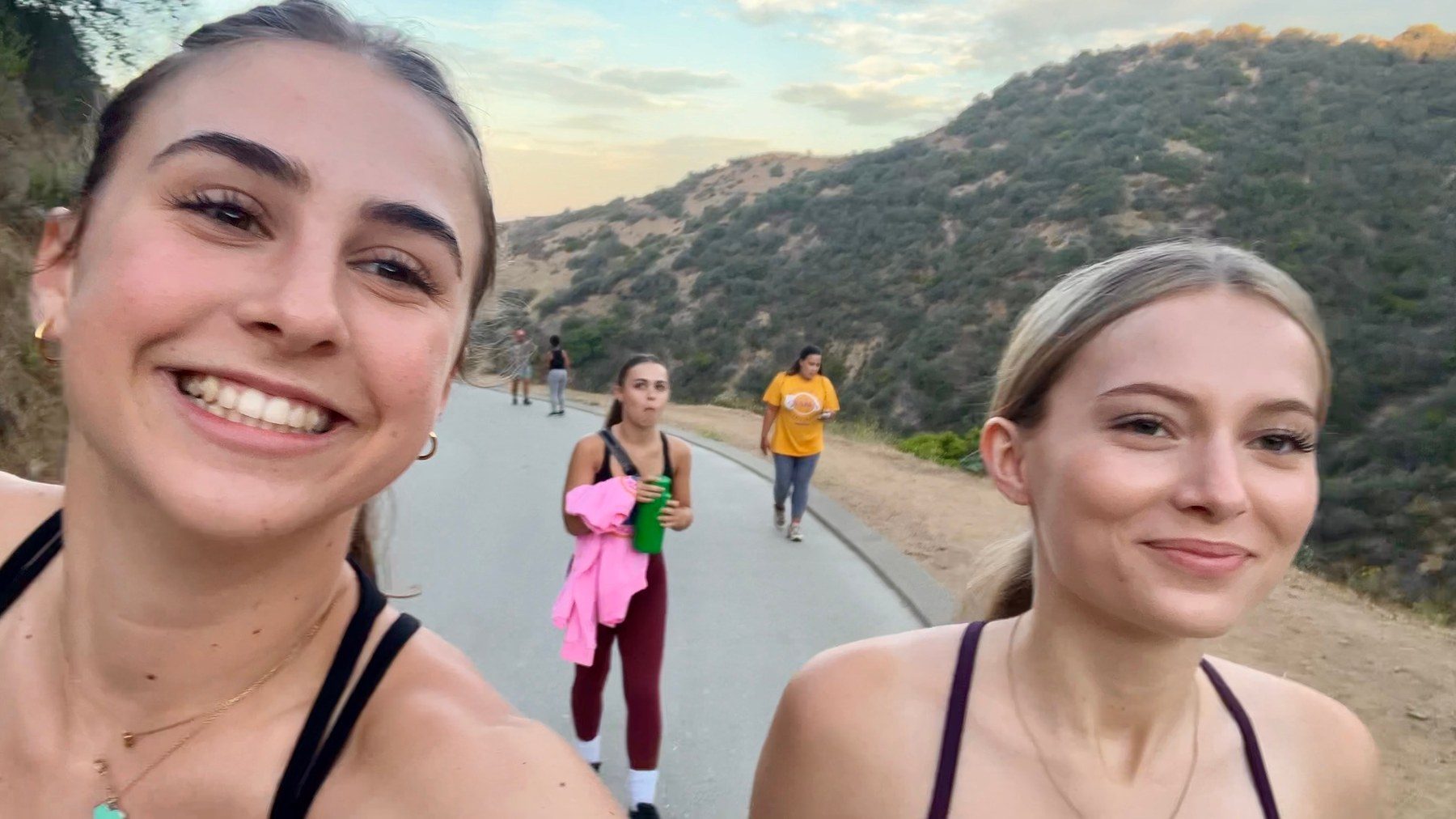
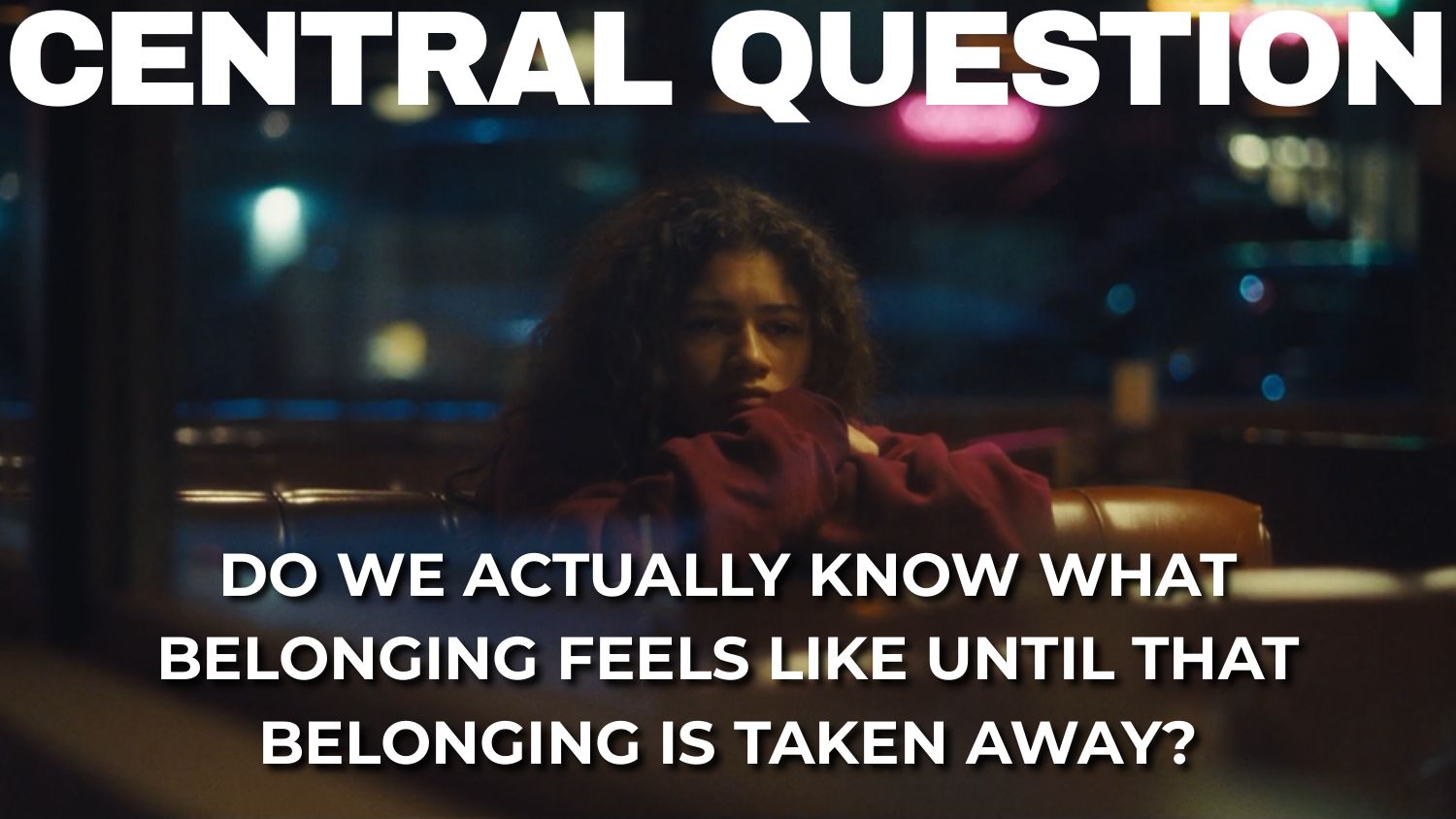
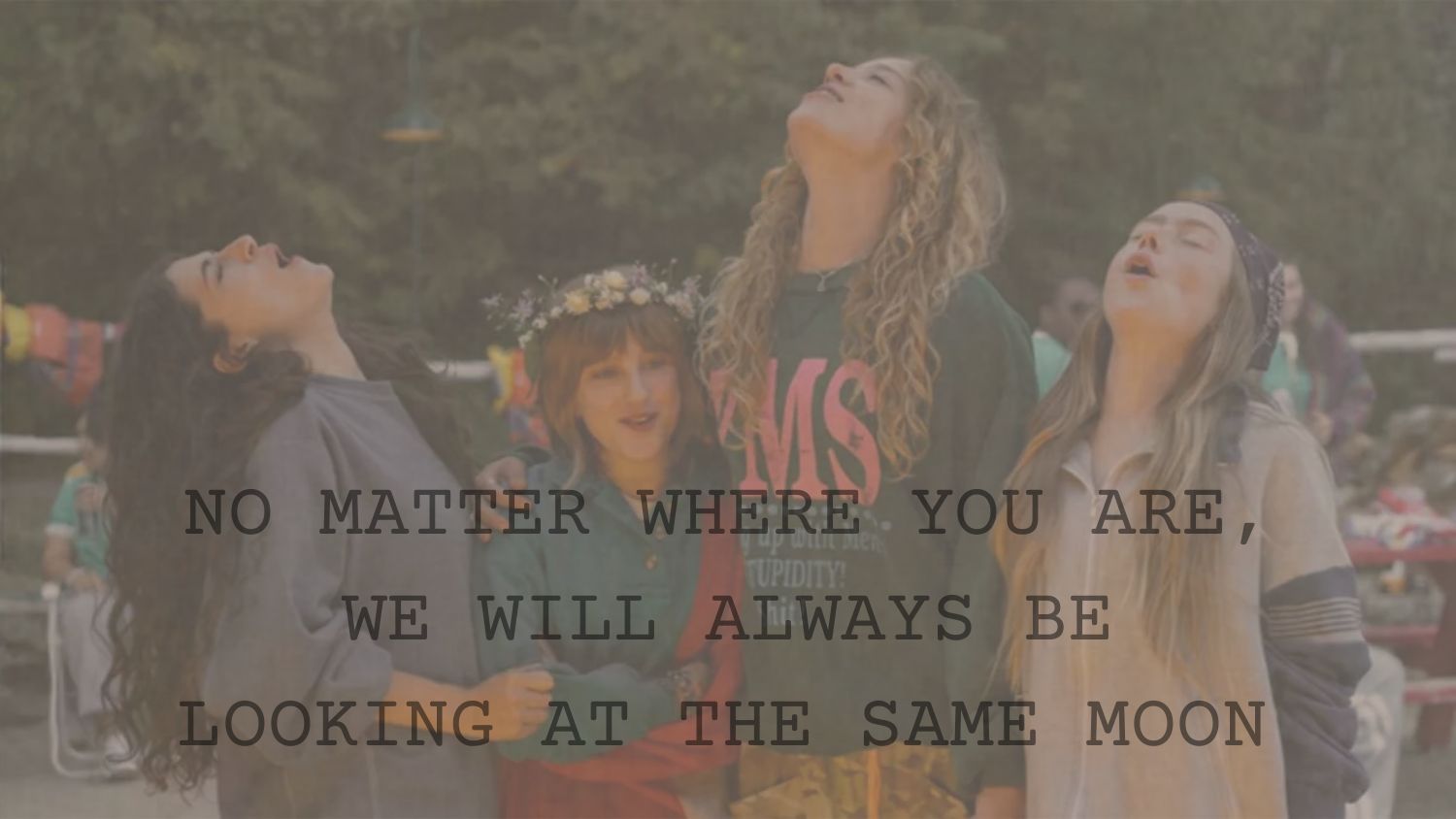
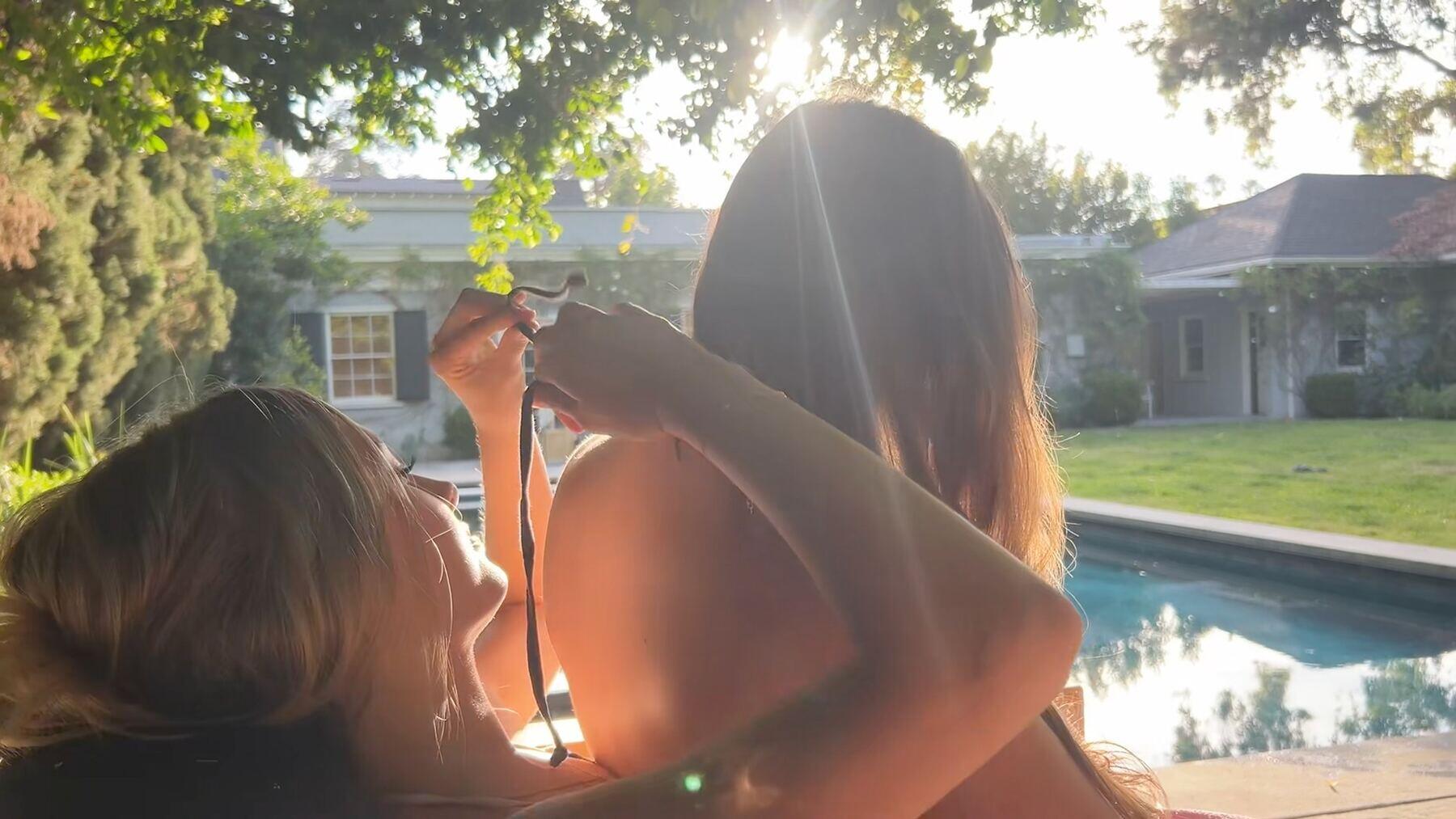
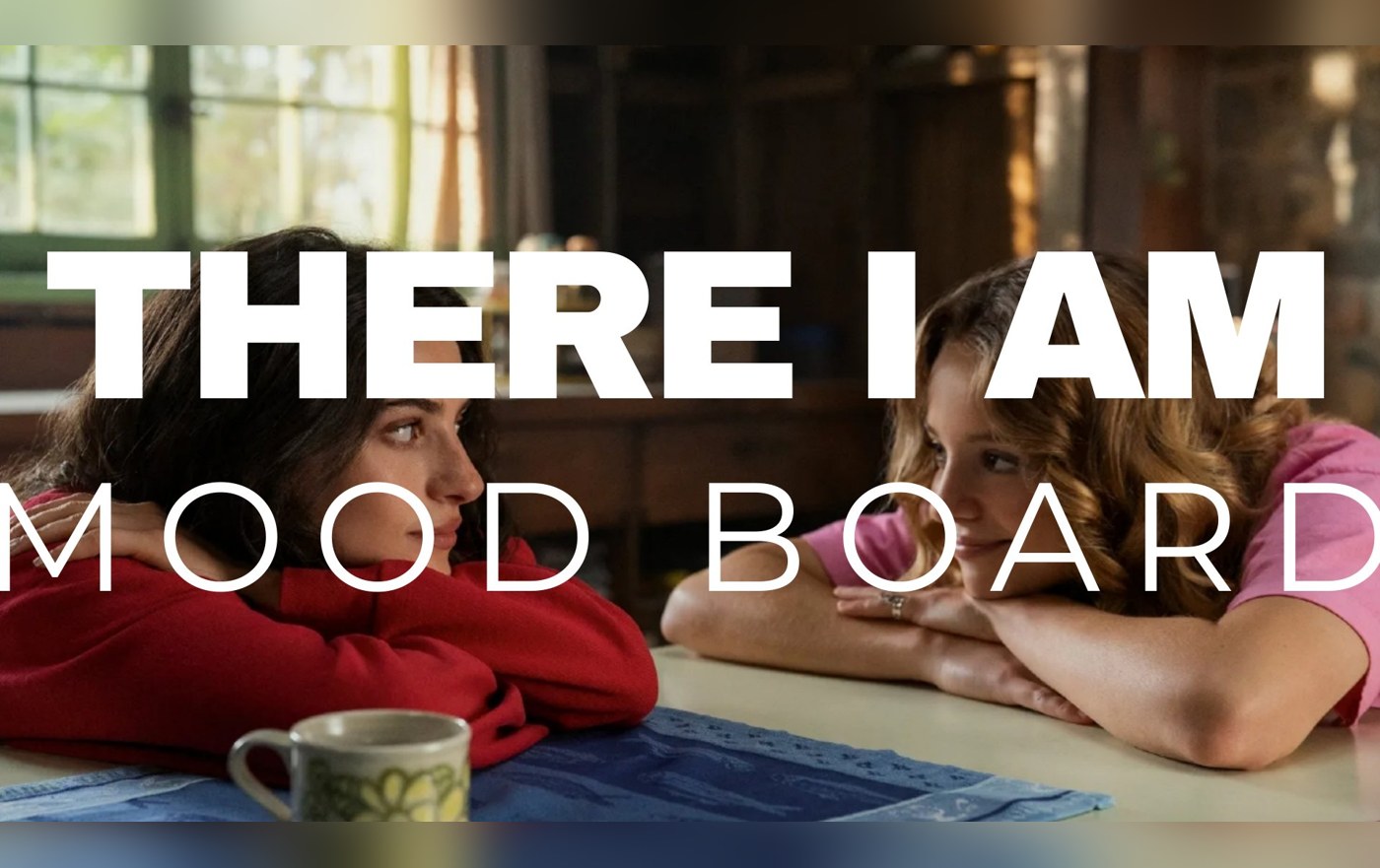
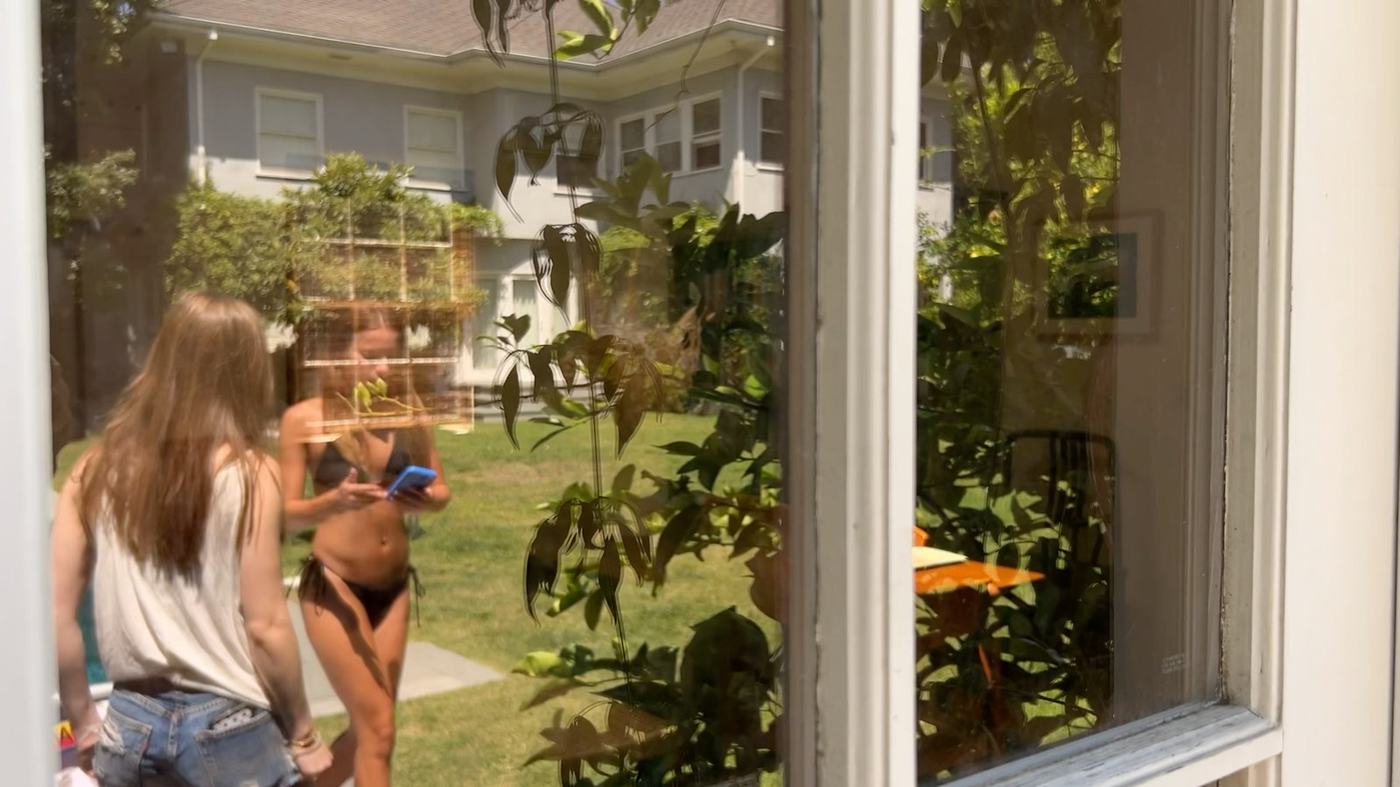
I felt compelled to make this film when I was deciding what to make my short film about for Year 12 and I asked myself the question, “What is something I can’t stop thinking about?” And my answer was clear and loud: friendship. Originally, it was to be a simple ode to friendship, a time capsule of my group in Los Angeles, because I think, subconsciously, I was scared that I was losing some of my favourite people in the world. But that was just the initial kernel, that progressively morphed into something even more powerful. As I uncovered what lay beneath my desire to explore the idea of friendship, it became a more complex film, exploring self through the question, “Do we actually know what it feels like to belong, until that belonging is taken away?” A subconscious but nagging question that had been with me since my arrival in Australia, in Year 10, my introduction to loneliness.
The Unexpected Discovery
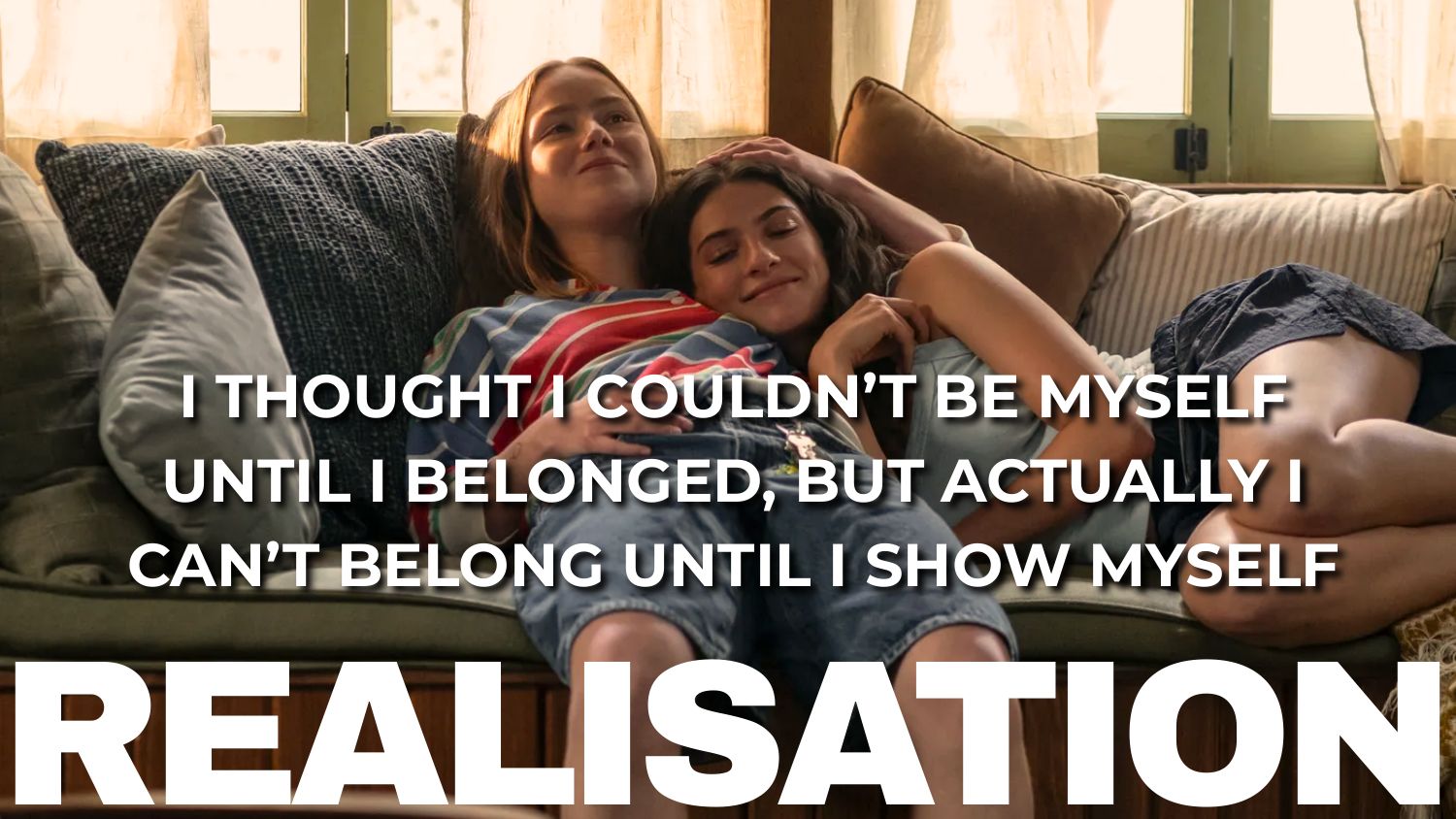
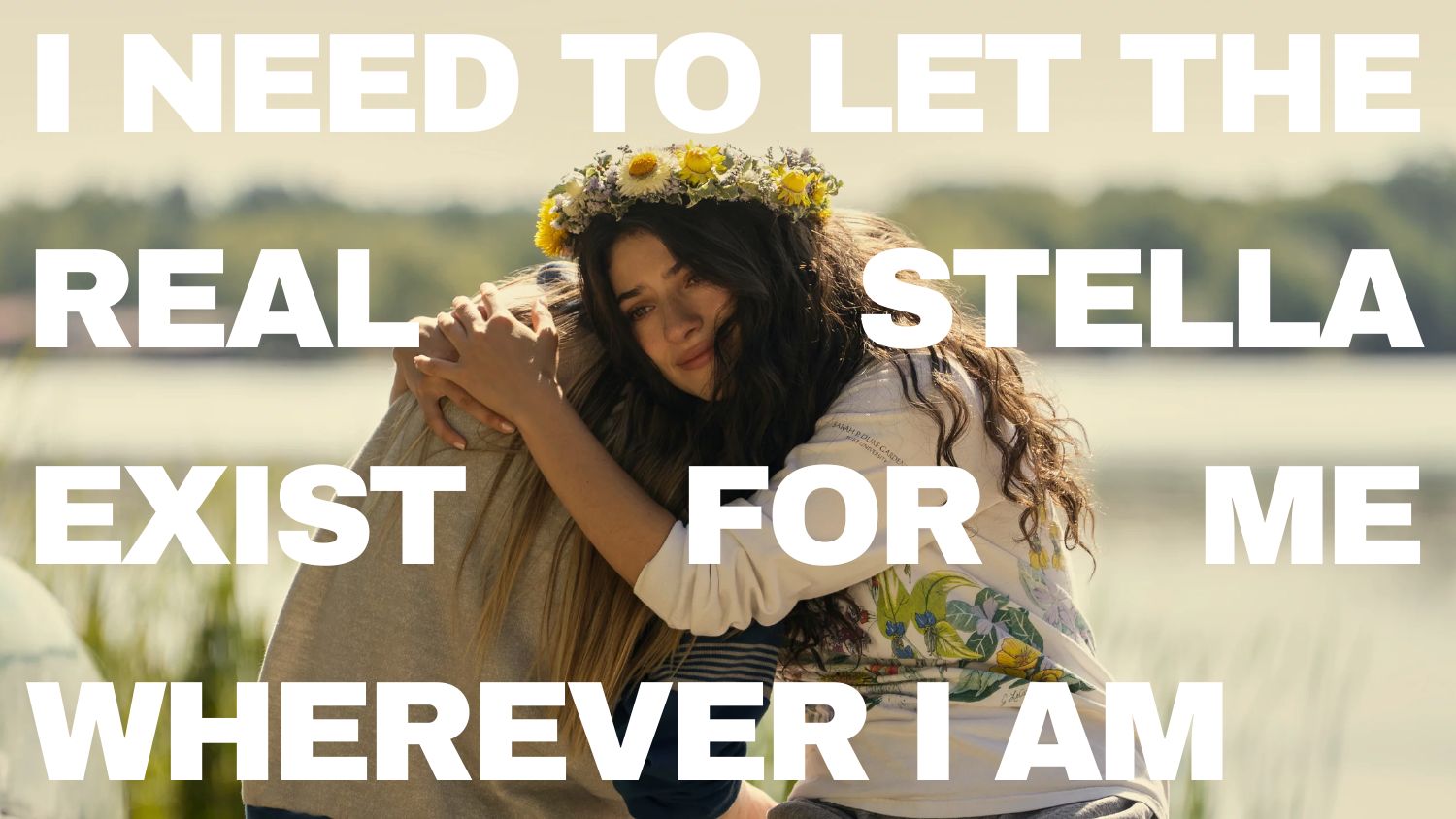
This film was almost a 15-week therapy session, leading me to an unexpected discovery. For years, I had thought that the shield I had built around my true self was protecting me from people who wouldn’t understand me; but, actually, it was separating me from any chance of connecting with people who might. The moment when my understanding of belonging shifted was very specific. I was having dinner with my new soccer team when like a thunderbolt it hit me: tonight I would go full out and be completely LA Stella! I laughed all night and connected with two new friends, Ella and Chia. I had been wanting to joke with them for months and the joke was on me. All I had to do was be myself. The moment when my whole world shifted was when Ella casually said, “Stella, you’re so funny. Your old team is missing out”.
For the first time since moving to Sydney, I was being recognised for the real, vulnerable, authentic Stella with her walls down. In that moment, I felt completely seen, almost as if I were back with my friends in LA. I now understand that I can never belong until I present my authentic, imperfect, funny self to the world, and not just for friends, but for me as well, no matter where I am.
The Challenge of Telling My Own Story
As I thought, it was harder to be the subject of the film than to be its filmmaker. When the time came to screen it to people, I felt uncomfortable, yet unexpectedly, it was really cathartic.
Vulnerability is not something that comes naturally to me, so when audiences see my heart laid bare, with no shield hiding the parts I don’t want seen, I feel exposed. Such feelings of discomfort were the only ones I imagined having, but that wasn’t what happened. This openness gave way to a strange feeling, like a weight being lifted off my shoulders. As if for the first time in years, the new people in my life, whom I had wanted to understand me, now could, thanks to my film. Without saying a word, I had said everything. Even if the story I told didn’t have a perfect ending. For the first time ever, I am ready for people to really know who I am.
My Development as a Filmmaker
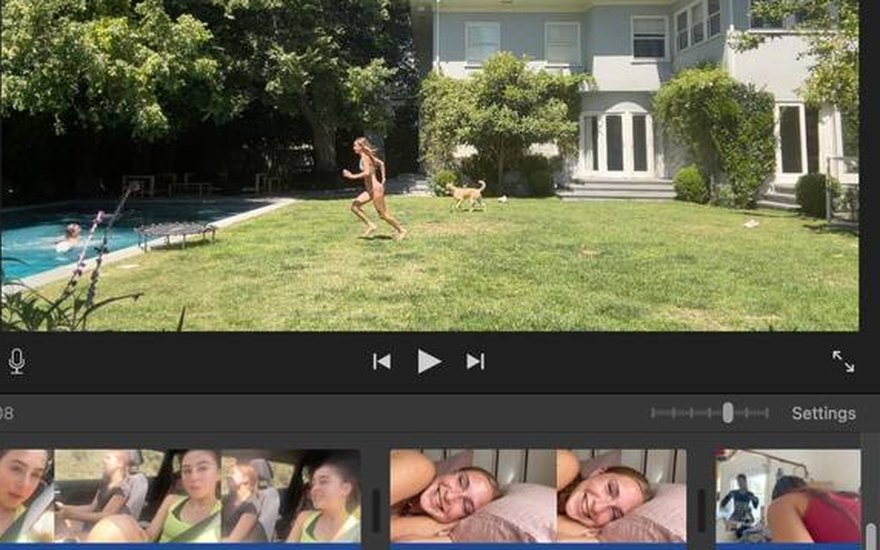
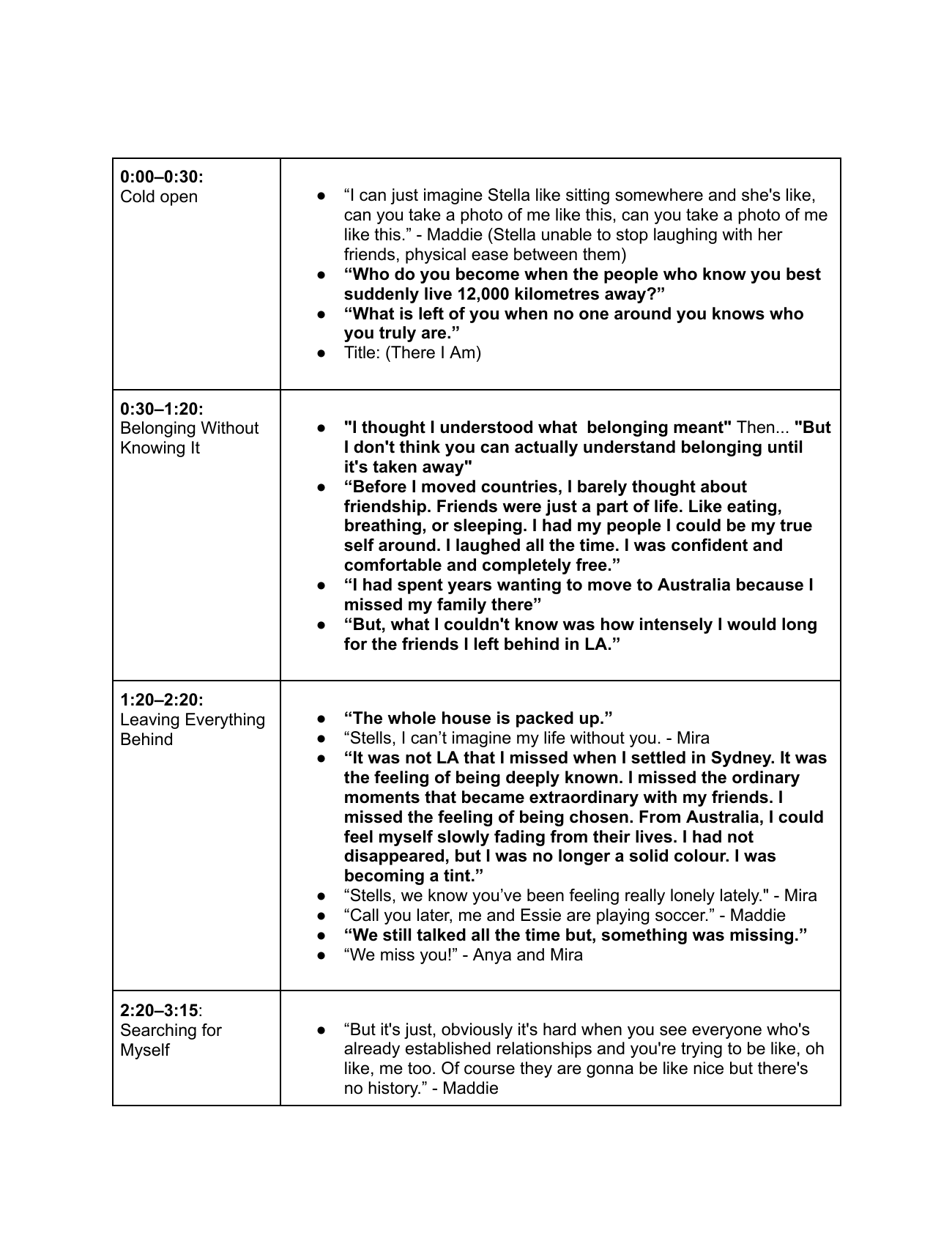
Since my film is a documentary, much of the material is spontaneous; therefore, my editing skills were tested. It was a challenge to reduce the large amount of material I had captured and collected over the process into a cohesive and captivating 5-minute film.
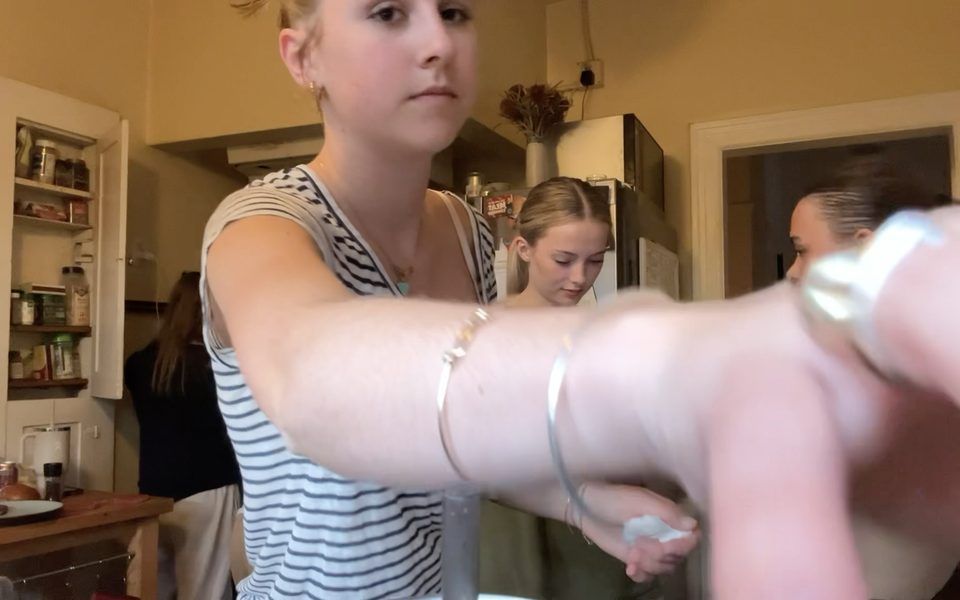
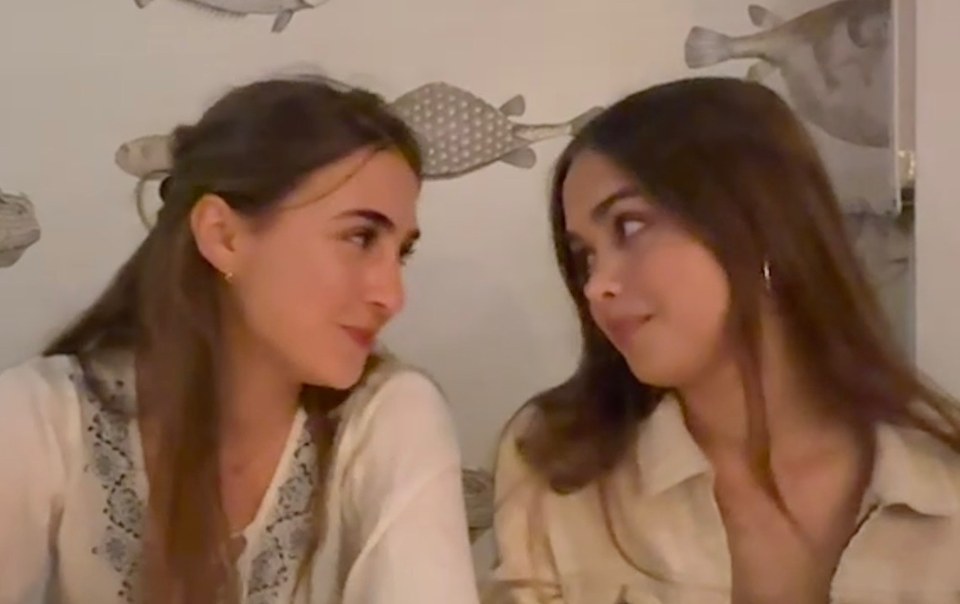
Through directing the interviews, I learned that the best outcomes happened when, in fact, I didn’t direct at all. The best interviews happened when we were lying on a bed looking at each other, having an honest conversation. The best lines came from my friends’ authentic advice, and the best moments were when my friends forgot that the microphone existed.
This project revealed both my strengths and weaknesses. It showed me that my strengths lie in capturing honest moments and connecting with people, whether it be through the camera or the microphone. My weaknesses are staying organised and committed to the end, ensuring that the final piece reflects the full potential of my story and material.
If I were to make this film again, I would aim for higher quality audio recording and colour grading. This would make the final piece more cohesive and consistent.
Evaluating the Finished Film
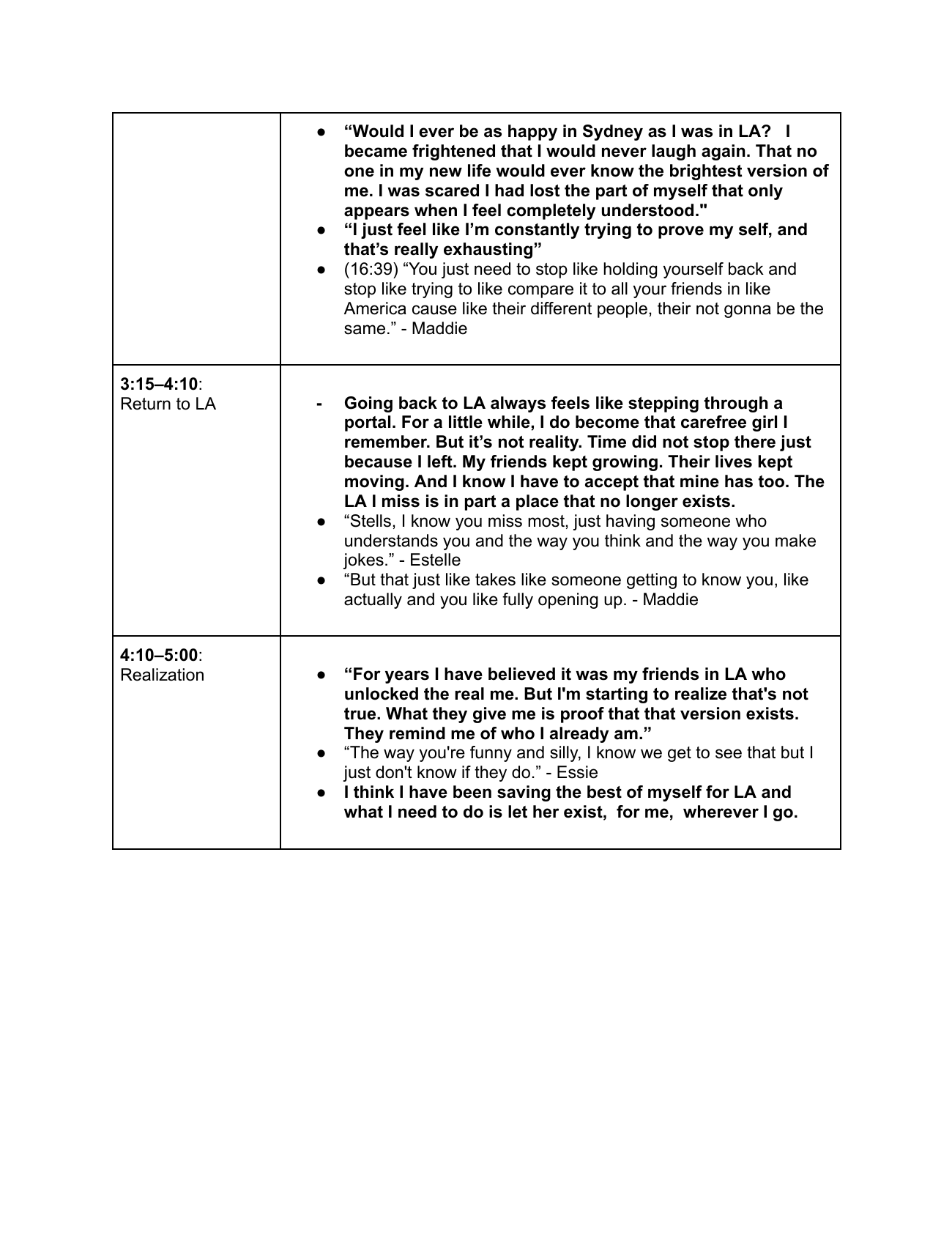
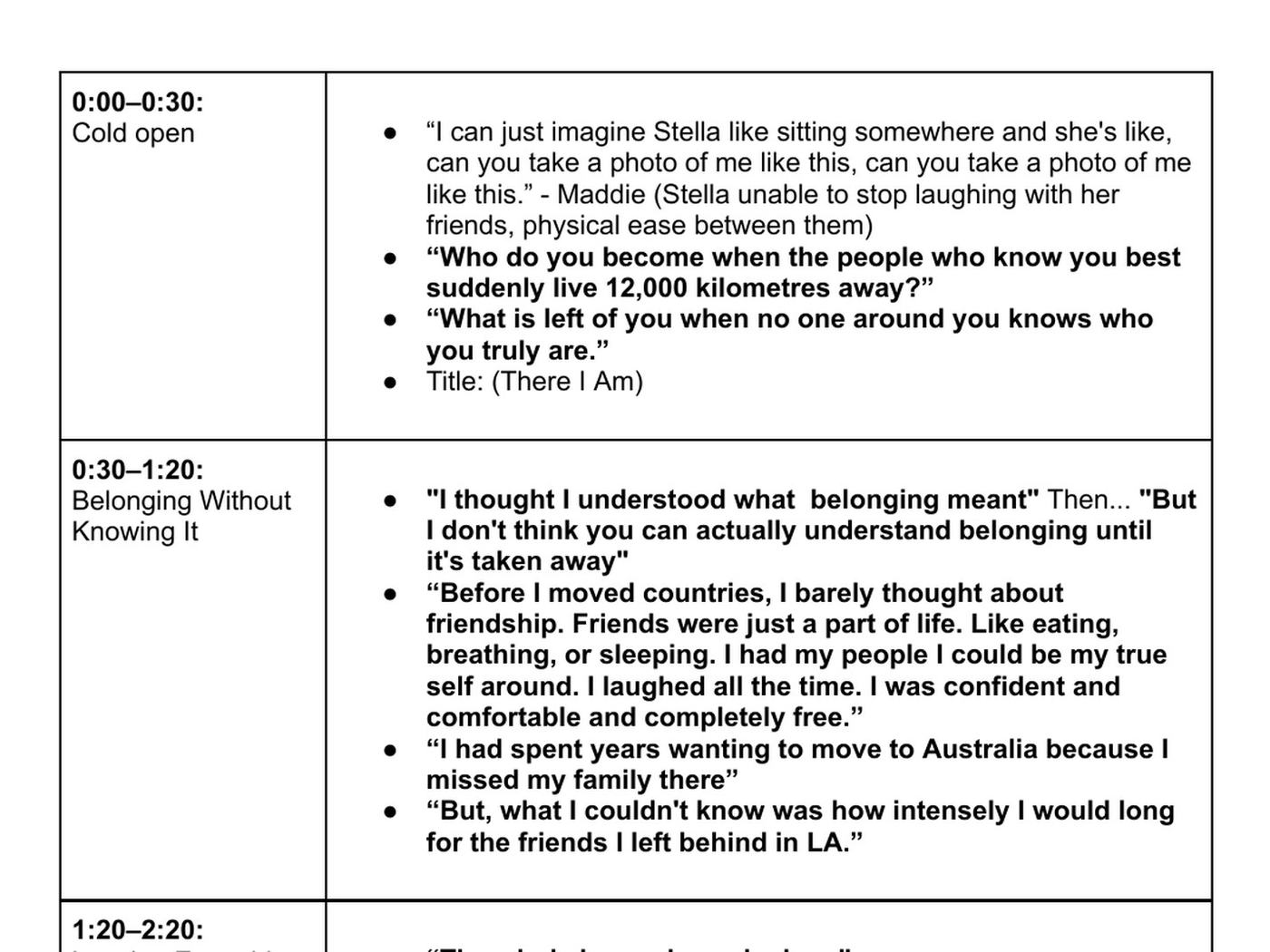
I believe that it is in the last section of the film, where “My friends … remind me who I already am”, that one of the central themes is best communicated: our most happy and authentic self is always within us.
The part that feels less successful is when I say, “I just feel like I’m consistently trying to prove myself, and that’s really exhausting.” There was an opportunity to include a visual that would have illustrated my struggle more intensely: me trying to be in on a joke, trying to laugh with a group of girls. Unfortunately, I just wasn’t able to capture that.
The reaction of the first few people I have shown my film to has shown me that it communicates something beyond my individual experience; it communicates a universal experience most people feel at one time or another: loneliness. By sharing my lived ordeal, I have been able to create something that resonates with almost everyone, demonstrating the power of vulnerability.
Chia was the first friend I showed my film to. I was sure that she wouldn’t be able to relate to my experience; she had the perfect friend group and she would comfort me without really understanding what I was going through. But I was proven so wrong. In actual fact, she really saw me and shared a similar experience of loneliness. For the first time in Australia, I had a friend who understood what I was going through and willingly and immediately reciprocated by sharing her own vulnerabilities with me. It felt like I was floating, as if my film, magically, had done all the heavy lifting for me. I felt free now that someone actually knew what was going on within me. This was proof: Chia hadn’t run away, and maybe my fear of rejection was all in my head. She showed me that I was enough and that I didn’t need a whole friend group behind me for her to like me. Similarly, my aunt shared that the happiest she has ever been was with a guy she had dated in her twenties. After watching my film, she admitted it had taken her more than thirty years to realise that her happiness had come from within herself and she needed no one to unlock it.
This film has made me understand that the stories I want to tell are not necessarily documentary stories, but they must be stories rooted in honesty and complexity. I want to tell stories that do not skip past the uncomfortable moments but amplify them without dimming the light on the beautiful ones, because that’s real life, isn’t it? I have discovered that as a fledgling director and producer I am very interested in investigating the teenage experience and how that shapes the way we look at the rest of our lives. I would love to work in the YA genre creating content that is true to life because I believe it could be powerful for kids growing up today to have stories they can resonate with. At the beginning of making this film I thought that I couldn’t be my true self until I belonged, but now I understand I can never belong until I show my real self, one hundred percent.
As the vulnerability expert Brené Brown says, “Because true belonging only happens when we present our authentic, imperfect selves to the world, our sense of belonging can never be greater than our level of self-acceptance.”
Period!
 PDF
 PDF
 PDF