Why I Chose Food Circle
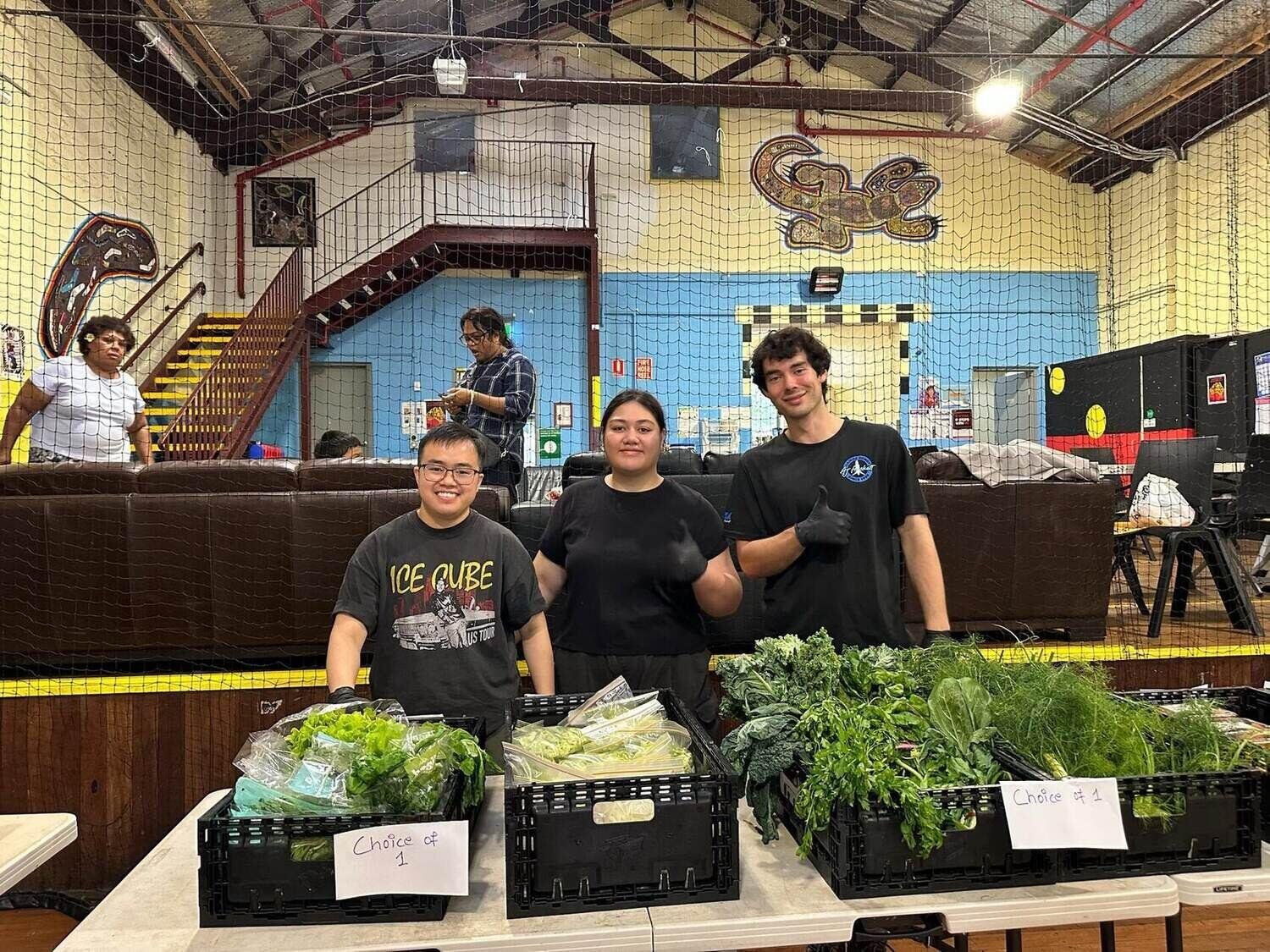
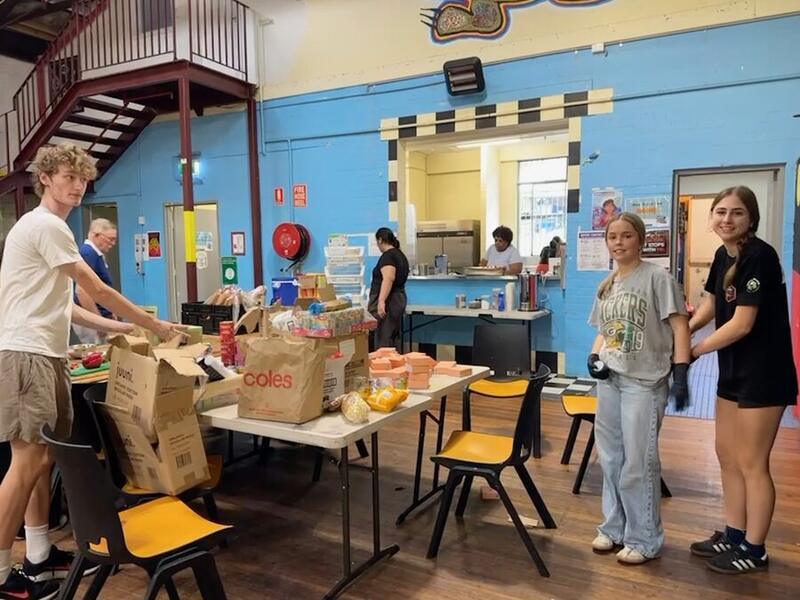
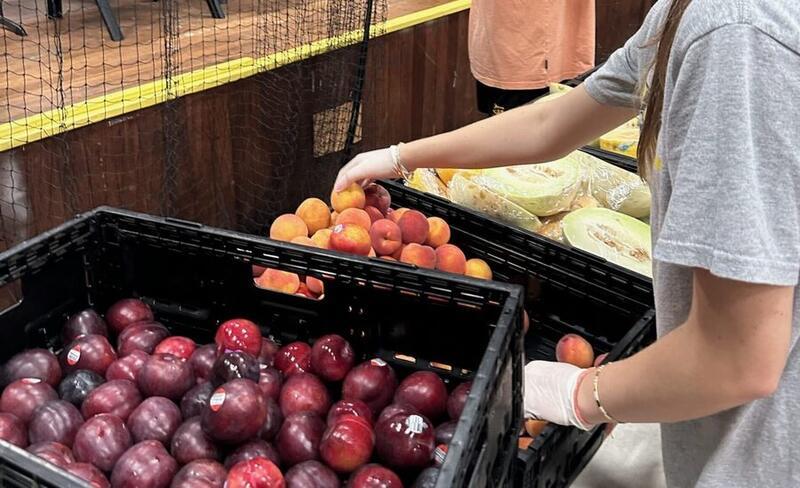
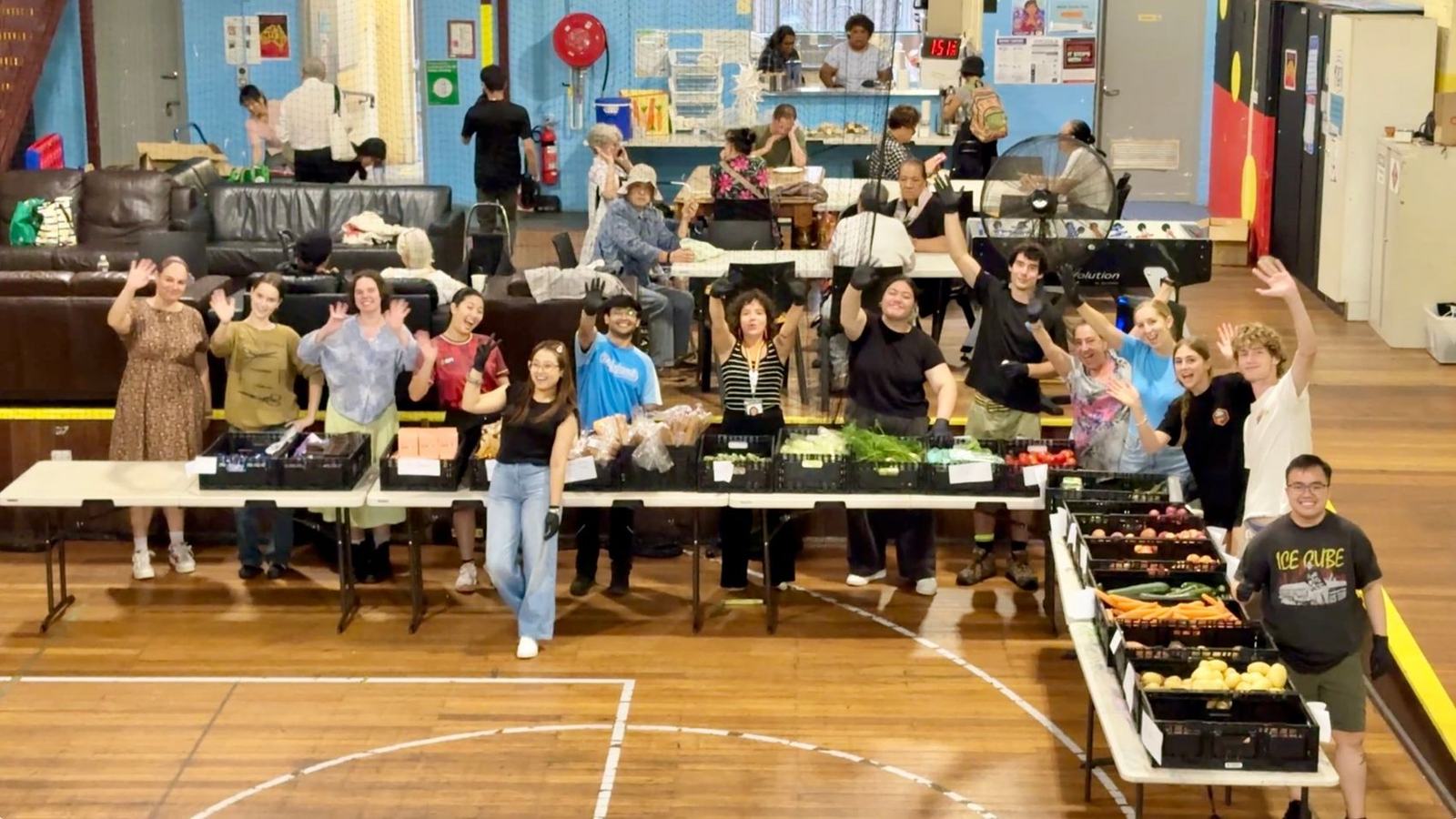
I chose the Food Circle program at Glebe Youth Service as my social action project because everyone else in my class was volunteering there as well and it just seemed perfect. In all honesty, I was mainly interested in completing the social action requirement for Big Picture and not genuinely interested in volunteering. I didn’t approach my work there as an ongoing responsibility. I saw it as something I needed to accomplish for a tick. In all aspects of my life, I hold very high expectations of myself, but at Food Circle those seemed to disappear, and I am disappointed in myself for this. I wasn’t committed to the cause and I know if I were to do it again I would either research and understand the cause better or I would find a different organisation to commit to.
What I Genuinely Learned
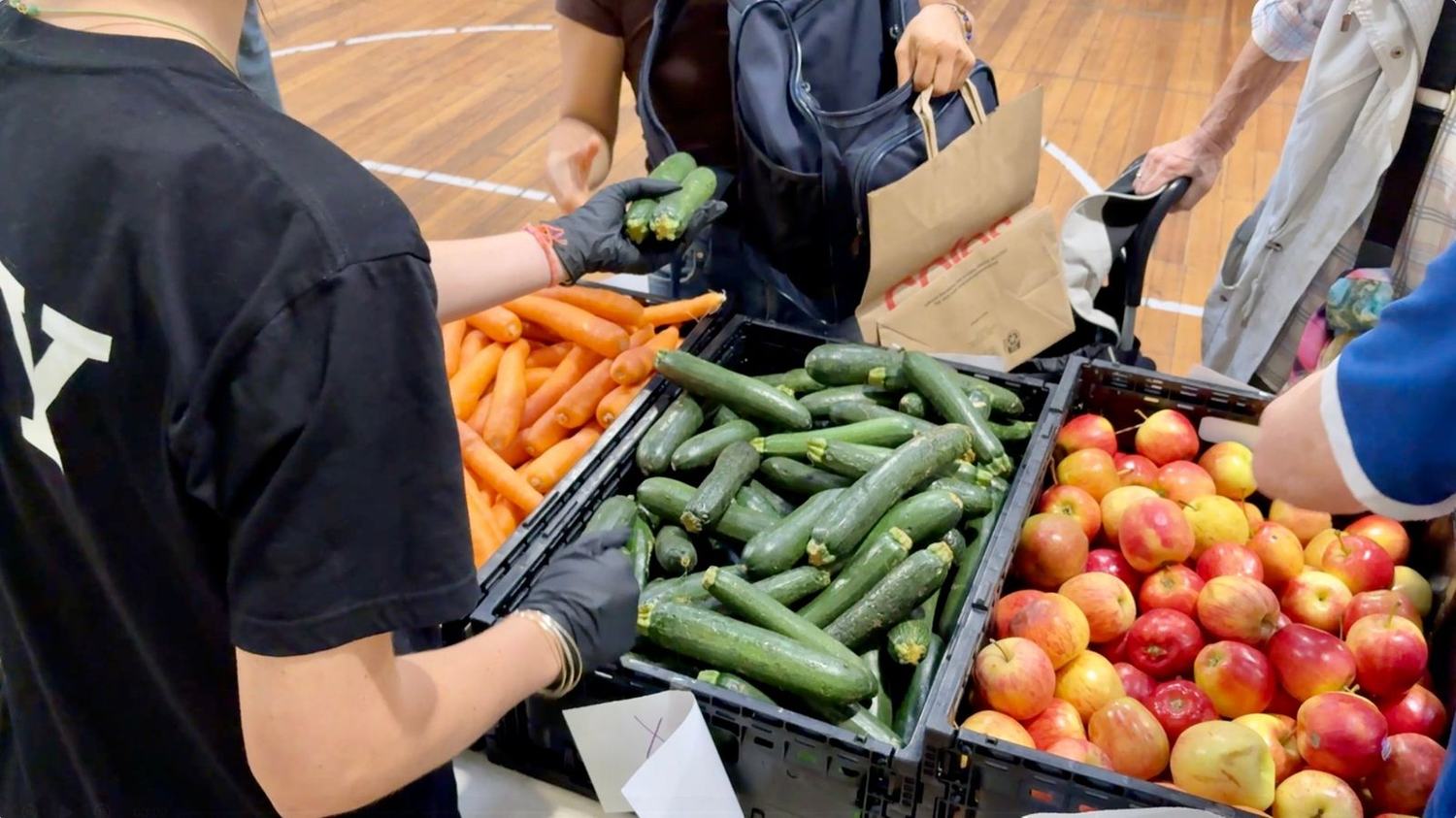
From my short time at Food Circle, I was exposed to the severity of food insecurity firsthand. Through this I learned that single-parent households are the most affected by the food crisis because of skyrocketing housing and rental costs, high utility bills and low-income or casual employment arrangements. This program provides these households with support by distributing fresh, nutritious food and connecting them with essential social and government support. I was surprised to find that First Nations people experience food insecurity at significantly higher rates than non-Indigenous Australians due to a combination of historical dispossession, economic inequality, geographic isolation and structural gaps. I learned that geographical isolation doesn’t just happen in remote areas; in fact, it often happens not far from us. For example, close to my area in Campbelltown, residents are cut off from essential services, reliable public transport, and healthy food retailers. Neighbourhoods like these are often food deserts, lacking full-service grocery stores and, instead, they are saturated with cheap, unhealthy food options that are heavily marketed to the locals. Looking back at my experience at Food Circle, I can now understand that people who volunteer regularly do it not because they have to, but because giving your time toward someone else’s happiness and wellbeing is a meaningful and joyful thing to do.
The Gap Between My Intentions and My Actions
This experience taught me that there is a great difference between understanding the importance of something and actually acting on it. Understanding the importance of something is step one. It is surface level. It is recognising an issue, the least you can do. Becoming motivated into action is step two. It demonstrates that you actually care and it’s not because you want to look good, but because you feel in your heart for that someone struggling harder than you and you really care. If I’m completely truthful, I must admit that I barely did step one and only a half-hearted step two. I didn’t prioritise returning more regularly because I was thinking more about myself, my discomfort and my work for Year 12 than I was thinking about the organisation, even though I knew they depended on volunteers. My limited commitment bothers me now because I want to be better than that; I know that I can hold myself higher, and, most importantly, I know that Food Circle and the people who go there deserve my support and I should have been capable of giving it. My failed experience with The Food Circle program has been an eye-opener for me. I know that in future I need to push through my own discomfort and stubbornness or find a new solution when I encounter responsibilities that don’t immediately engage me. I now know that leaving these responsibilities on the back burner simply isn’t an option. Going forward, I am determined to prioritise my commitments, no matter how big or small they might seem at that moment. Consequently, I have already signed up to volunteer with the Youth ChangeMakers after I graduate from high school, and am ready to give up my time to make a difference for someone else.